LinkedIn.com Is Cracking Down on Engagement Pods. Good.
February 18, 2026
Why artificial engagement is fading — and what smart creators are doing instead
Recently, LinkedIn announced stronger measures to combat engagement pods and coordinated inauthentic activity. If you’ve been around social media long enough, you know exactly what that means.
Artificial comments. Coordinated likes. “Great post!” from the same 25 people on every update.
For years, creators and brands have used engagement pods to jumpstart reach. But platforms are getting smarter.
And in 2026, vanity metrics are no longer safe currency.
So what does this shift mean for marketers, creators, and brands?
And more importantly: what replaces artificial engagement?
What Are Engagement Pods (And Why They’re Being Penalized)
Engagement pods are private groups where members agree to like and comment on each other’s posts to boost visibility.
On the surface, it works:
- Higher early engagement
- Increased perceived popularity
- Potential algorithm lift
But the cracks are obvious:
- Comments lack substance
- Engagement doesn’t convert
- Analytics become distorted
- Platforms lose trust signals
LinkedIn’s new enforcement focuses on:
- Reducing reach for coordinated engagement
- Limiting visibility of artificial comments
- Penalizing repeat offenders
This isn’t just a LinkedIn issue. It’s a broader platform-wide shift toward authentic interaction signals.
And honestly? It was inevitable.
The Real Problem With Artificial Engagement
The biggest issue with pods isn’t that they “game the system.”
It’s that they game you.
Artificial engagement creates false positives:
- You think a topic resonates… it doesn’t.
- You believe a format works… it’s just pod momentum.
- You see comments… but no conversions.
For brands and creators trying to build revenue-driven social strategies, this is dangerous. It clouds data and delays growth.
In a world where attribution matters, vanity metrics are becoming liabilities.
The Shift: From Public Applause to Private Action
Here’s the bigger insight.
Platforms are shifting weight away from surface metrics (likes, generic comments) and toward deeper signals:
- Meaningful replies
- Saves and shares
- Click-through behavior
- DMs and private conversations
Why?
Because private intent is stronger than public applause.
A “🔥🔥🔥” comment means very little.
A DM asking for a link means everything.
The Post-Pod Strategy: Engagement That Converts
If artificial engagement is fading, what replaces it?
Real interaction funnels.
Instead of coordinating fake comments, brands should be:
- Encouraging real conversation
- Triggering action from that conversation
- Tracking what happens next
The Bigger Opportunity for Creators
LinkedIn’s crackdown isn’t a threat.
It’s a filter.
Creators who relied on artificial boosts will struggle.
Creators who build genuine conversation funnels will thrive.
Instead of chasing:
- More likes
- More empty comments
Focus on:
- Higher intent interactions
- Trackable outcomes
- Revenue-connected engagement
That’s the difference between looking popular and being profitable.
Final Thought: Engagement Is Evolving
Social platforms are signaling something clearly:
Superficial engagement is out.
Substantive interaction is in.
The brands and creators who adapt fastest will win.
If you’re still measuring success by visible reactions alone, it may be time to rethink your strategy.
Because in 2026, real growth doesn’t happen in pods.
It happens in conversations.
Want to turn real conversations into measurable growth?
Tools like
Stampede Social help creators activate authentic engagement — without gaming the algorithm.
Frequently Asked Questions
What are engagement pods?
Engagement pods are private groups where members agree to like and comment on each other’s posts to artificially boost visibility and algorithm reach.
Why is LinkedIn cracking down on engagement pods?
LinkedIn is prioritizing authentic interactions and reducing coordinated or automated activity that distorts engagement signals. Artificial engagement weakens trust in the platform and disrupts meaningful content distribution.
Are engagement pods illegal?
No. But they can violate platform policies if they involve automation, coordinated manipulation, or misleading engagement behavior. Platforms increasingly deprioritize this activity.
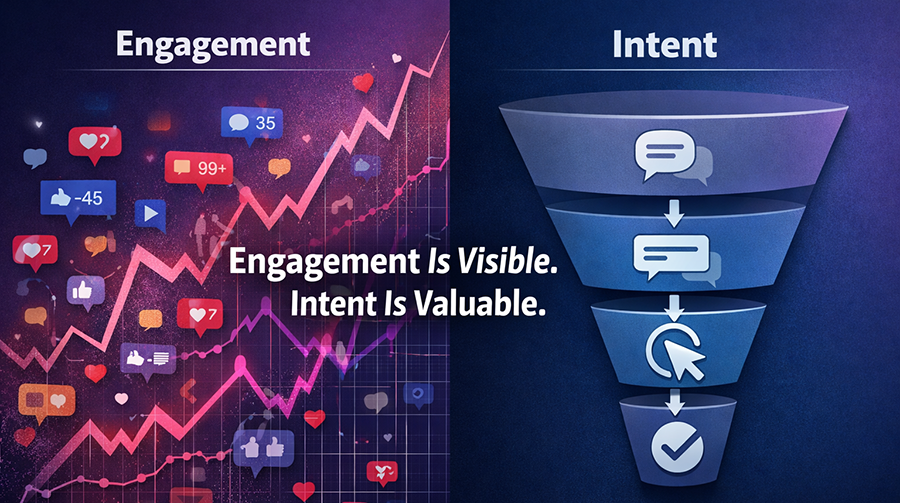
What’s the difference between engagement and intent?
Engagement is visible interaction like likes and comments.
Intent is action-based behavior — clicking a link, replying with a keyword, sending a DM, or requesting information.
Intent is measurable. Engagement is often cosmetic.
What should creators focus on instead of engagement pods?
Creators should focus on:
- Content that invites genuine responses
- Clear calls to action
- Tracking what happens after someone interacts
- Building systems that convert attention into measurable outcomes